
 Tasks Management
Assign Work Clearly, Track Deadlines, and Keep Teams Accountable
HR Khata helps managers assign tasks, set deadlines, and monitor team progress without relying on scattered messages and manual reminders. Everyone can see what needs to be done, who owns it, and what is still pending.
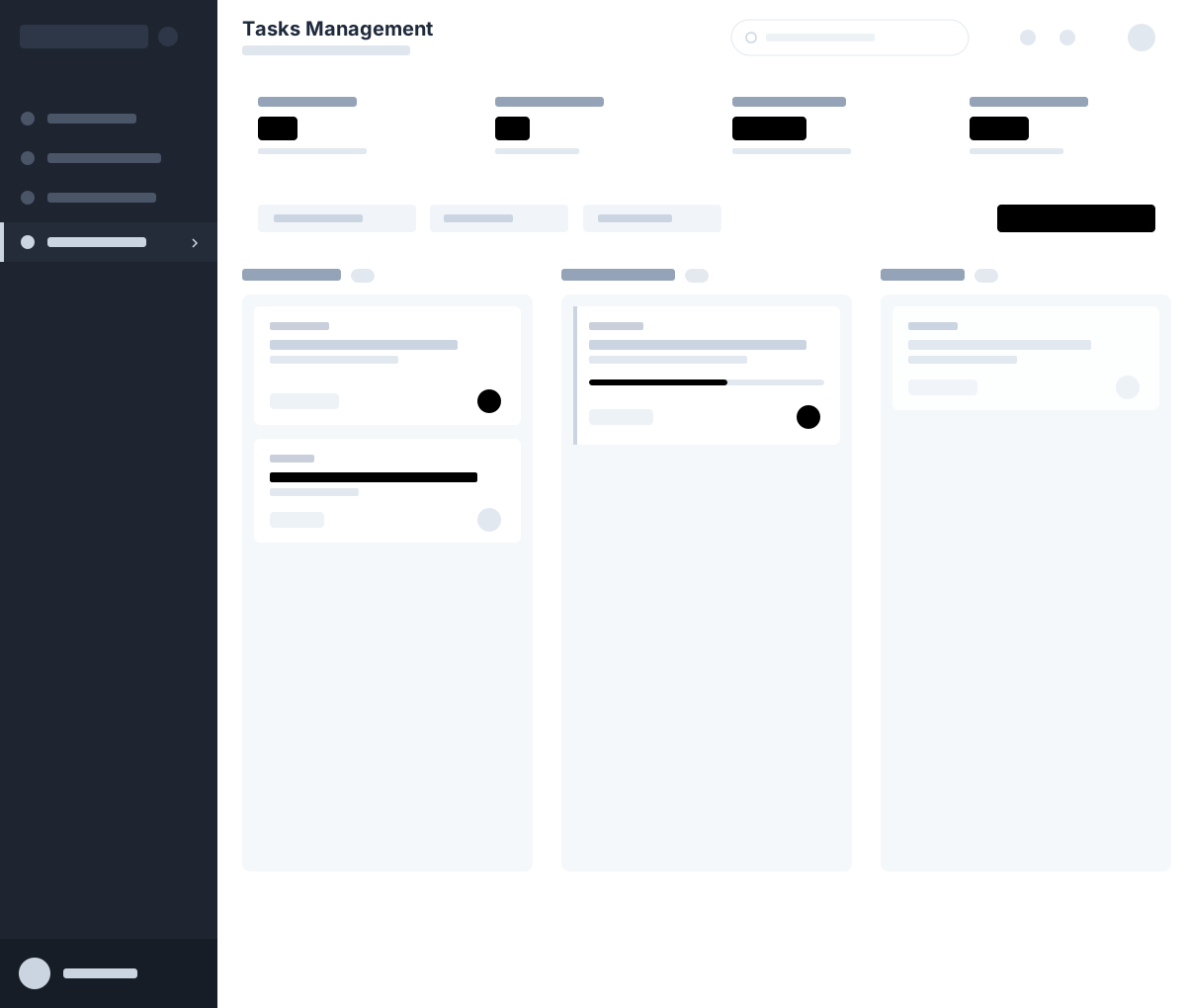
Task Tracking That Fits Daily Team Operations
In many organizations, work gets assigned through meetings, calls, messages, and verbal instructions. The task itself may be clear in the moment, but ownership and timelines become blurry later. When priorities shift, teams struggle to see what is pending, delayed, or complete.
A task system is valuable because it makes work visible. Managers can follow progress without constant follow-up, and employees can understand expectations more clearly. This reduces missed deadlines and improves coordination across teams.
HR Khata’s Tasks Management module gives organizations a simple, structured way to assign work, monitor deadlines, and review execution across people and teams. It keeps operational follow-up inside one system instead of spreading it across chats and notebooks.
Features of Tasks Management
Tasks Management in HR Khata makes accountability more visible across day-to-day work. It helps managers coordinate team execution while giving employees a clear view of responsibilities and timelines.
Task Assignment to Individuals or Teams
Managers can assign tasks to a single employee or to a group depending on how the work is structured. Each task record clearly shows ownership so there is less ambiguity around responsibility. This improves execution and reduces the risk of work being forgotten.
Deadline and Due Date Tracking
Tasks are more likely to slip when there is no visible deadline. HR Khata lets teams assign due dates and monitor approaching deadlines in one place. This helps managers spot overdue work early instead of after a delay has already affected operations.
Status Updates and Progress Visibility
A task should not disappear after it is assigned. HR Khata supports status tracking so employees and managers can see whether work is pending, in progress, completed, or delayed. This makes progress review faster and more objective.
Team-Level Task Monitoring
Managers often need a broader view than one task at a time. HR Khata helps supervisors review task workloads and progress across an entire team or department. This makes it easier to rebalance work and address bottlenecks before they grow.
Priority-Based Work Tracking
Not all tasks carry the same urgency. HR Khata can support priority labels so important work stands out and teams know what should be handled first. This helps reduce confusion in busy operational periods.
Comments and Follow-Up Notes
Task progress often depends on updates, clarifications, or brief follow-up notes. HR Khata can keep these remarks tied to the task itself so context stays with the record. This is much cleaner than searching through separate chat threads later.
Recurring Task Support
Many teams handle repeated weekly or monthly responsibilities such as payroll review, attendance checks, branch reports, or onboarding follow-up. HR Khata can support recurring tasks so routine work is scheduled more consistently. This reduces the need to recreate common assignments every cycle.
Task History and Accountability Trail
Managers need to know when tasks were assigned, updated, delayed, or completed. HR Khata records the activity history around a task so execution can be reviewed with more clarity. This helps when performance discussions or operational reviews require a factual timeline.
Cross-Department Coordination
Some work requires cooperation between HR, payroll, admin, finance, or branch teams. HR Khata helps keep those tasks visible across the relevant users instead of relying on one person to remember every handoff. This improves coordination on shared operational work.
Employee Visibility Into Assigned Work
Employees should have a clear place to review what has been assigned to them. HR Khata gives users visibility into assigned tasks, due dates, and status expectations from their own account. This creates more personal ownership and fewer missed instructions.
FAQs
Frequently Asked Questions
Get Started Smarter way to handle HR, attendance, and payroll operations
HR Khata automates workforce management, reduces manual HR work, and improves accuracy across attendance, HR, and payroll in one simple system.
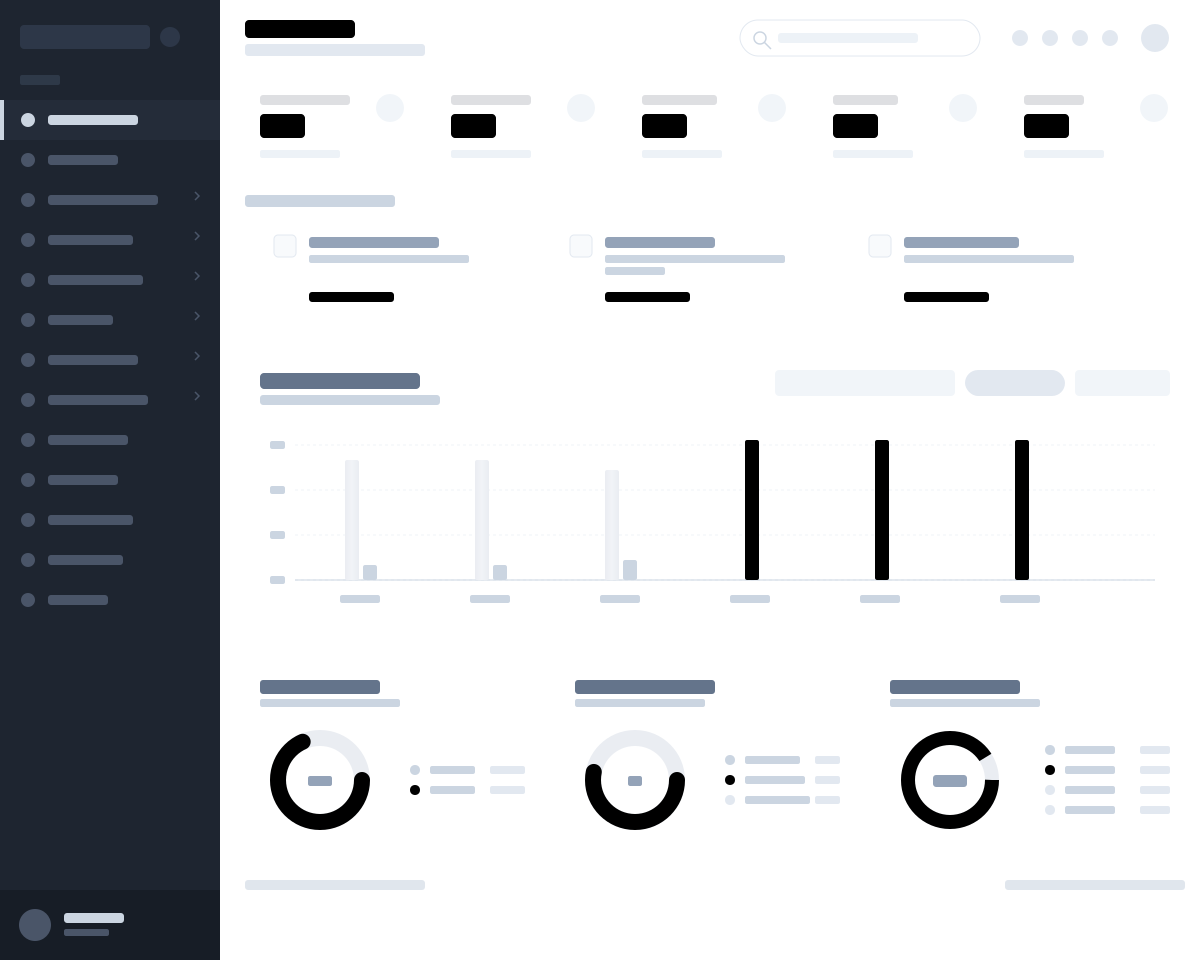 Your Complete HR & Attendance Solution
 Download HR Khata App – Manage HR & Attendance Anytime, Anywhere
Simplify your daily HR operations with HR Khata. Track employee attendance, manage leave, payroll, and employee records effortlessly. Download the app on Android and iOS to manage your workforce anytime, anywhere.