
Attendance is the Foundation of Accurate Payroll.
In any organization, payroll accuracy starts with one critical factor attendance tracking.
In Nepal, many businesses are upgrading from manual registers and spreadsheets to biometric attendance systems that use fingerprint scanning, face recognition, and multi-location tracking.
When combined with modern HR software like HR Khata, biometric attendance ensures payroll is accurate, transparent, and fully automated.
This shift is helping Nepali businesses reduce payroll errors, improve compliance, and save significant HR time.
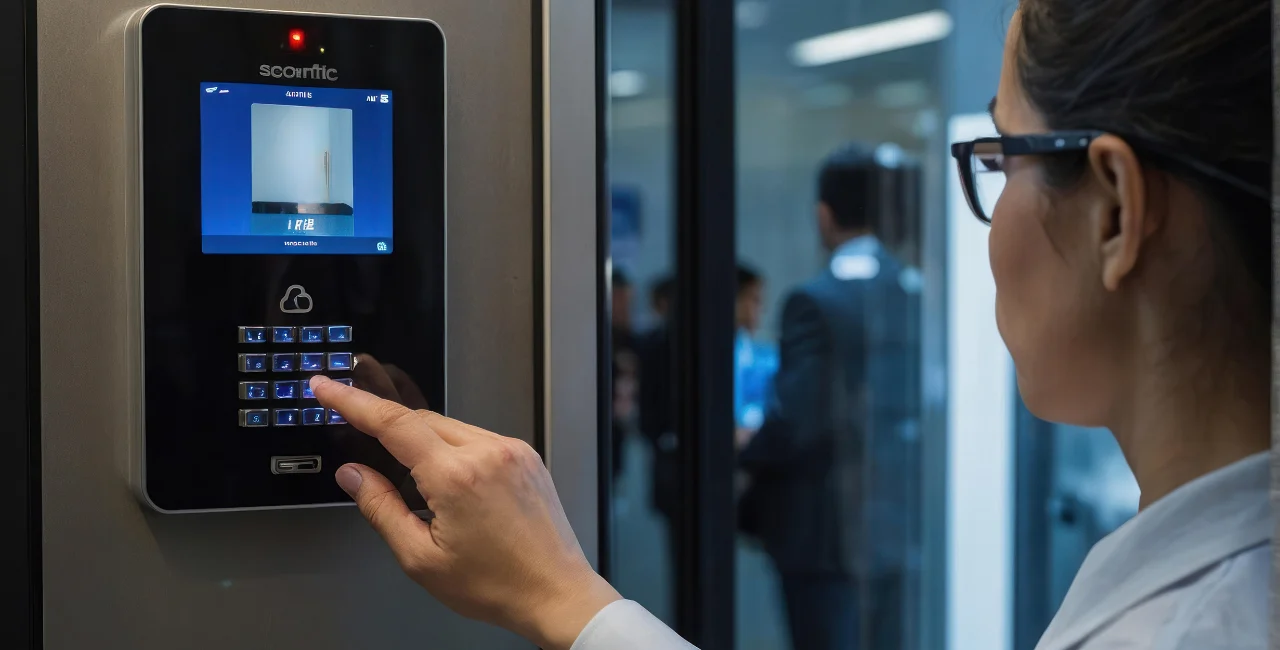
Attendance management improves payroll accuracy by using biometric systems (fingerprint and face recognition) and multi-location tracking to record exact employee working hours, ensuring salaries are calculated correctly without manual errors.
What is Biometric Attendance Management?
A biometric attendance system uses unique human identifiers such as:
- Fingerprint scanning
- Face recognition
- Real-time identity verification
It ensures that only the actual employee can mark attendance, eliminating proxy attendance and manual manipulation.
Modern systems also support multi-location tracking, which is essential for businesses in Nepal with:
- Multiple branches
- Field employees
- Remote sites
- Construction or retail operations
When integrated with payroll software like HR Khata, this data directly flows into salary calculations.
Why Attendance Accuracy Matters in Payroll
Payroll depends directly on attendance data such as:
- Working days
- Late arrivals
- Early departures
- Leave records
- Overtime hours
Even small errors in attendance can lead to:
- Salary mismatches
- Employee disputes
- Overpayment or underpayment
- Compliance issues
This is why accurate attendance tracking is critical for every business in Nepal.
1. Eliminates Proxy Attendance with Biometrics
One of the biggest challenges in manual attendance systems is proxy attendance (buddy punching).
Biometric systems solve this by verifying identity using:
- Fingerprint recognition
- Facial recognition
Only the actual employee can mark attendance.
This ensures payroll is based on real working hours, not manipulated data.
HR Khata uses this verified data to ensure accurate payroll processing.
2. Ensures Accurate Salary Calculation
Salary calculation depends on:
- Present days
- Absent days
- Paid/unpaid leave
- Overtime hours
With biometric attendance, every entry is precise and real-time.
HR Khata automatically uses this attendance data to calculate:
- Gross salary
- Net salary
- Overtime pay
- Leave deductions
This removes manual calculation errors completely.
3. Multi-Location Tracking for Growing Businesses in Nepal
Many businesses in Nepal operate across multiple locations such as:
- Retail chains
- Construction sites
- Manufacturing units
- Schools and institutions
- Field service teams
Traditional attendance systems struggle with this complexity.
Modern biometric systems support multi-location attendance tracking, allowing employees to check in from different branches or sites.
HR Khata integrates this data seamlessly, ensuring payroll reflects the correct working location and hours.
4. Automates Overtime and Shift Management
Manual overtime calculation is often inconsistent and error-prone.
With biometric systems:
- Overtime is automatically recorded
- Shift hours are tracked precisely
- Late check-ins are flagged
- Early exits are recorded
HR Khata uses this structured data to ensure employees are paid accurately for every extra hour worked.
5. Reduces Payroll Disputes and Increases Transparency
Payroll disputes often occur due to unclear attendance records.
Common issues include:
- “I was present, but marked absent”
- “My overtime is missing”
- “Leave was not updated correctly”
Biometric systems eliminate confusion by providing:
- Verified attendance logs
- Face/fingerprint-based proof
- Real-time records
With HR Khata, employees can view their attendance-linked salary breakdown, improving transparency and trust.
6. Saves Time for HR Teams in Nepal
Without automation, HR teams spend hours:
- Collecting attendance data from devices
- Fixing errors manually
- Updating spreadsheets
- Verifying overtime
- Preparing payroll reports
With biometric attendance integrated into HR Khata:
- Attendance sync is automatic
- Payroll calculations are instant
- HR workload is significantly reduced
This allows HR teams to focus on strategic tasks instead of repetitive data entry.
7. Improves Compliance and Record Accuracy in Nepal
Businesses in Nepal must maintain accurate attendance and payroll records for:
- Tax compliance
- Social Security Fund (SSF) reporting
- Labor audits
- Internal documentation
Biometric attendance ensures reliable, tamper-proof records.
HR Khata stores and organizes this data, making compliance reporting simple and audit-ready.
Manual Attendance vs Biometric Attendance (With Payroll Impact)
| Feature | Manual Attendance | Biometric Attendance (HR Khata Integrated) |
|---|---|---|
| Accuracy | Low | Very High |
| Proxy Attendance | Possible | Eliminated |
| Payroll Errors | High | Minimal |
| Multi-Location Support | Weak | Strong |
| Payroll Integration | Manual | Automatic |
| Transparency | Low | High |
Why Businesses in Nepal Are Switching to Biometric + HR Khata
Nepali businesses are rapidly adopting biometric systems because they:
- Prevent attendance fraud
- Improve payroll accuracy
- Support multi-location operations
- Save HR time
- Increase employee trust
When combined with HR Khata, businesses get a complete HR ecosystem:
- Biometric attendance tracking
- Payroll automation
- Leave management
- Employee records
- Payslip generation
Frequently Asked Questions (AEO Section)
How does biometric attendance improve payroll accuracy?
Biometric attendance ensures only verified employees can mark attendance using fingerprint or face recognition, making payroll calculations more accurate and reliable.
Can biometric attendance work for multiple locations in Nepal?
Yes. Modern biometric systems support multi-location tracking, which is ideal for businesses with branches or field staff.
Does HR Khata support biometric attendance integration?
Yes. HR Khata integrates attendance data from biometric systems and automatically uses it for payroll processing.
Why is biometric attendance better than manual attendance?
It eliminates proxy attendance, reduces errors, supports real-time tracking, and ensures accurate payroll calculations.
Conclusion
Attendance management plays a direct role in payroll accuracy, and biometric systems have transformed how businesses in Nepal handle this process.
With fingerprint and face recognition systems, along with multi-location tracking, businesses can ensure highly accurate attendance records.
When integrated with HR Khata, this data becomes a powerful payroll automation system that reduces errors, saves time, and improves transparency.
For growing businesses in Nepal, combining biometric attendance with payroll software is no longer optional—it is the future of efficient HR management.