
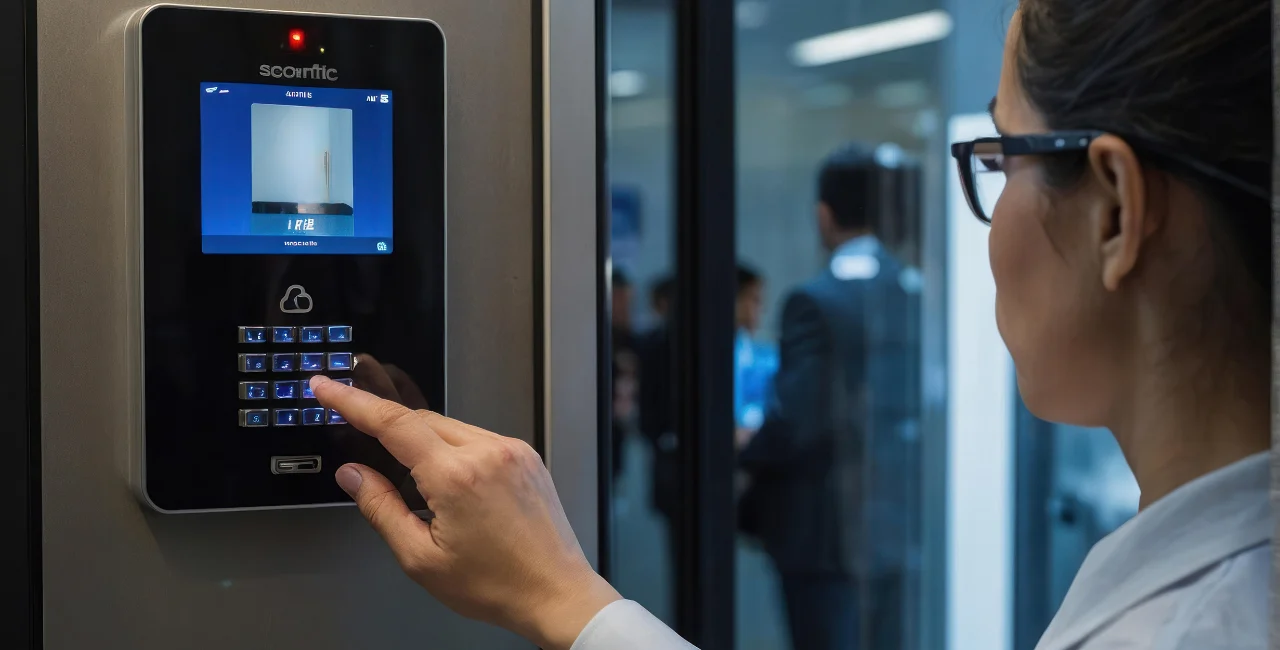
How Biometric Attendance Management Improves Payroll Accuracy in Nepal

How Biometric Attendance Management Improves Payroll Accuracy in Nepal

Attendance is the Foundation of Accurate Payroll.

In any organization, payroll accuracy starts with one critical factor attendance tracking.

In Nepal, many businesses are upgrading from manual registers and spreadsheets to biometric attendance systems that use fingerprint scanning, face recognition, and multi-location tracking.

When combined with modern HR software like HR Khata, biometric attendance ensures payroll is accurate, transparent, and fully automated.

This shift is helping Nepali businesses reduce payroll errors, improve compliance, and save significant HR time.

Attendance management improves payroll accuracy by using biometric systems (fingerprint and face recognition) and multi-location tracking to record exact employee working hours, ensuring salaries are calculated correctly without manual errors.

What is Biometric Attendance Management?

A biometric attendance system uses unique human identifiers such as:

  • Fingerprint scanning
  • Face recognition
  • Real-time identity verification

It ensures that only the actual employee can mark attendance, eliminating proxy attendance and manual manipulation.

Modern systems also support multi-location tracking, which is essential for businesses in Nepal with:

  • Multiple branches
  • Field employees
  • Remote sites
  • Construction or retail operations

When integrated with payroll software like HR Khata, this data directly flows into salary calculations.

Why Attendance Accuracy Matters in Payroll

Payroll depends directly on attendance data such as:

  • Working days
  • Late arrivals
  • Early departures
  • Leave records
  • Overtime hours

Even small errors in attendance can lead to:

  • Salary mismatches
  • Employee disputes
  • Overpayment or underpayment
  • Compliance issues

This is why accurate attendance tracking is critical for every business in Nepal.

1. Eliminates Proxy Attendance with Biometrics

One of the biggest challenges in manual attendance systems is proxy attendance (buddy punching).

Biometric systems solve this by verifying identity using:

  • Fingerprint recognition
  • Facial recognition

Only the actual employee can mark attendance.

This ensures payroll is based on real working hours, not manipulated data.

HR Khata uses this verified data to ensure accurate payroll processing.

2. Ensures Accurate Salary Calculation

Salary calculation depends on:

  • Present days
  • Absent days
  • Paid/unpaid leave
  • Overtime hours

With biometric attendance, every entry is precise and real-time.

HR Khata automatically uses this attendance data to calculate:

  • Gross salary
  • Net salary
  • Overtime pay
  • Leave deductions

This removes manual calculation errors completely.

3. Multi-Location Tracking for Growing Businesses in Nepal

Many businesses in Nepal operate across multiple locations such as:

  • Retail chains
  • Construction sites
  • Manufacturing units
  • Schools and institutions
  • Field service teams

Traditional attendance systems struggle with this complexity.

Modern biometric systems support multi-location attendance tracking, allowing employees to check in from different branches or sites.

HR Khata integrates this data seamlessly, ensuring payroll reflects the correct working location and hours.

4. Automates Overtime and Shift Management

Manual overtime calculation is often inconsistent and error-prone.

With biometric systems:

  • Overtime is automatically recorded
  • Shift hours are tracked precisely
  • Late check-ins are flagged
  • Early exits are recorded

HR Khata uses this structured data to ensure employees are paid accurately for every extra hour worked.

5. Reduces Payroll Disputes and Increases Transparency

Payroll disputes often occur due to unclear attendance records.

Common issues include:

  • “I was present, but marked absent”
  • “My overtime is missing”
  • “Leave was not updated correctly”

Biometric systems eliminate confusion by providing:

  • Verified attendance logs
  • Face/fingerprint-based proof
  • Real-time records

With HR Khata, employees can view their attendance-linked salary breakdown, improving transparency and trust.

6. Saves Time for HR Teams in Nepal

Without automation, HR teams spend hours:

  • Collecting attendance data from devices
  • Fixing errors manually
  • Updating spreadsheets
  • Verifying overtime
  • Preparing payroll reports

With biometric attendance integrated into HR Khata:

  • Attendance sync is automatic
  • Payroll calculations are instant
  • HR workload is significantly reduced

This allows HR teams to focus on strategic tasks instead of repetitive data entry.

7. Improves Compliance and Record Accuracy in Nepal

Businesses in Nepal must maintain accurate attendance and payroll records for:

  • Tax compliance
  • Social Security Fund (SSF) reporting
  • Labor audits
  • Internal documentation

Biometric attendance ensures reliable, tamper-proof records.

HR Khata stores and organizes this data, making compliance reporting simple and audit-ready.

Manual Attendance vs Biometric Attendance (With Payroll Impact)

Feature Manual Attendance Biometric Attendance (HR Khata Integrated)
Accuracy Low Very High
Proxy Attendance Possible Eliminated
Payroll Errors High Minimal
Multi-Location Support Weak Strong
Payroll Integration Manual Automatic
Transparency Low High

Why Businesses in Nepal Are Switching to Biometric + HR Khata

Nepali businesses are rapidly adopting biometric systems because they:

  • Prevent attendance fraud
  • Improve payroll accuracy
  • Support multi-location operations
  • Save HR time
  • Increase employee trust

When combined with HR Khata, businesses get a complete HR ecosystem:

  • Biometric attendance tracking
  • Payroll automation
  • Leave management
  • Employee records
  • Payslip generation

Frequently Asked Questions (AEO Section)

How does biometric attendance improve payroll accuracy?

Biometric attendance ensures only verified employees can mark attendance using fingerprint or face recognition, making payroll calculations more accurate and reliable.

Can biometric attendance work for multiple locations in Nepal?

Yes. Modern biometric systems support multi-location tracking, which is ideal for businesses with branches or field staff.

Does HR Khata support biometric attendance integration?

Yes. HR Khata integrates attendance data from biometric systems and automatically uses it for payroll processing.

Why is biometric attendance better than manual attendance?

It eliminates proxy attendance, reduces errors, supports real-time tracking, and ensures accurate payroll calculations.

Conclusion

Attendance management plays a direct role in payroll accuracy, and biometric systems have transformed how businesses in Nepal handle this process.

With fingerprint and face recognition systems, along with multi-location tracking, businesses can ensure highly accurate attendance records.

When integrated with HR Khata, this data becomes a powerful payroll automation system that reduces errors, saves time, and improves transparency.

For growing businesses in Nepal, combining biometric attendance with payroll software is no longer optional—it is the future of efficient HR management.


7 Reasons Payroll Software Is Better Than Manual Payroll

Why Payroll is Changing in Nepal.

Payroll management in Nepal is becoming more complex as businesses grow, regulations evolve, and employees expect faster, more transparent salary processing.

Many companies still rely on manual payroll systems like Excel sheets or paper-based records. While this may work for very small teams, it quickly becomes inefficient, error-prone, and time-consuming.

This is where payroll management software like HR Khata is transforming how Nepali businesses manage salaries, attendance, and HR operations.

In this blog, we’ll explore 7 reasons payroll software is better than manual payroll, especially for businesses in Nepal.

Payroll software is better than manual payroll because it automates salary calculations, reduces errors, ensures compliance, saves time, integrates attendance, and improves transparency for both HR teams and employees.

1. Eliminates Human Errors in Salary Calculation

Manual payroll depends heavily on spreadsheets and human calculations. Even a small mistake in formulas can lead to incorrect salaries.

Common manual payroll errors include:

  • Wrong overtime calculation
  • Incorrect tax deduction
  • Missing leave adjustments
  • Formula mistakes in Excel

Payroll software like HR Khata automatically calculates salaries based on predefined rules, ensuring accuracy every time.

2. Saves Time for HR Teams

In many Nepali companies, HR teams spend 3–7 days every month preparing payroll manually.

Tasks include:

  • Collecting attendance data
  • Calculating deductions
  • Updating spreadsheets
  • Verifying salaries
  • Generating payslips

With payroll software, this entire process is reduced to a few minutes.

HR Khata automates payroll processing so HR teams can focus on more important tasks like employee engagement and performance management.

3. Easy Attendance and Leave Integration

One of the biggest challenges in manual payroll is syncing attendance and leave data correctly.

Without automation:

  • Late entries are missed
  • Leave deductions are inconsistent
  • Overtime is not accurately tracked

Payroll software integrates attendance and leave records directly into payroll calculations.

With HR Khata, employee attendance, leave, and overtime are automatically reflected in salary processing.

4. Better Compliance with Nepal Labor Regulations

Payroll in Nepal requires proper handling of:

  • Tax deductions (TDS)
  • Social Security Fund (SSF)
  • Labor law compliance
  • Salary structuring rules

Manual systems increase the risk of non-compliance due to outdated calculations or missed updates.

Payroll software helps businesses stay compliant by applying correct deductions and maintaining accurate records.

HR Khata supports structured payroll processing aligned with Nepali business requirements.

5. Faster Salary Processing and Timely Payments

Employees expect salaries on time every month.

Manual payroll delays often occur due to:

  • Calculation errors
  • Approval delays
  • Data mismatches
  • Rework in spreadsheets

Payroll software speeds up the entire cycle, ensuring timely salary distribution.

With HR Khata, businesses can process payroll faster and avoid unnecessary delays.

6. Transparent Payslips and Employee Self-Service

Manual payroll often creates confusion among employees regarding:

  • Salary breakdown
  • Overtime payments
  • Deductions
  • Leave adjustments

Payroll software generates detailed digital payslips automatically.

Employees can:

  • View salary breakdown anytime
  • Access past payslips
  • Check attendance records
  • Track leave balances

HR Khata improves transparency and reduces HR workload caused by repeated salary-related queries.

7. Scalable for Growing Businesses in Nepal

Manual payroll may work for 5–10 employees, but it becomes unmanageable as the company grows.

Challenges include:

  • Multiple Excel sheets
  • Complex calculations
  • Increased error risk
  • Time-consuming updates

Payroll software is scalable and can handle growing teams effortlessly.

HR Khata is designed for small and medium businesses in Nepal that want to scale without increasing HR complexity.

Manual Payroll vs Payroll Software (Quick Comparison)

Feature Manual Payroll Payroll Software (HR Khata)
Accuracy Low High
Time Required High (days) Low (minutes)
Compliance Risky Automated
Attendance Sync Manual Automatic
Scalability Poor Strong
Transparency Limited High

Why Businesses in Nepal Are Switching to HR Khata

More Nepali businesses are adopting payroll software because it reduces administrative burden and improves accuracy.

HR Khata helps businesses:

  • Automate payroll processing
  • Manage attendance and leave
  • Generate payslips instantly
  • Maintain employee records
  • Reduce HR workload
  • Improve payroll compliance

This makes it ideal for startups, SMEs, schools, NGOs, and growing companies in Nepal.

Frequently Asked Questions

Why is payroll software better than manual payroll?

Payroll software is better because it automates calculations, reduces errors, improves compliance, and saves time compared to manual payroll methods.

Is payroll software useful for small businesses in Nepal?

Yes. Small businesses benefit the most because it reduces manual workload and ensures accurate salary processing from the beginning.

Does payroll software help with Nepali tax and SSF compliance?

Yes. Payroll software helps businesses apply correct tax deductions and maintain structured payroll records for compliance purposes.

How does HR Khata help with payroll?

HR Khata simplifies payroll by automating salary calculations, attendance tracking, leave management, payslip generation, and employee record management.

Conclusion

Manual payroll systems are no longer efficient for modern businesses in Nepal. They are slow, error-prone, and difficult to scale.

Payroll software offers a smarter alternative by automating calculations, improving accuracy, ensuring compliance, and saving valuable time.

For Nepali businesses looking to modernize HR operations, HR Khata provides a complete payroll solution designed for simplicity, accuracy, and growth.

How Payroll Software Simplifies the Complexities of the Payroll Process

Managing Payroll Doesn’t Have to Be Complicated.

Payroll is one of the most important business functions. Employees expect accurate salaries, timely payments, and transparent payroll records. However, managing payroll manually can quickly become complex as a business grows.

From calculating salaries and overtime to handling tax deductions, leave records, bonuses, and compliance requirements, payroll processing requires precision and consistency. Even a small mistake can lead to employee dissatisfaction, compliance issues, or financial penalties.

This is why businesses are increasingly turning to payroll software to automate and simplify payroll management.

In this guide, we’ll explore how payroll software works, the challenges of manual payroll processing, and how solutions like HR Khata help businesses save time, reduce errors, and improve efficiency.

What Is Payroll Software?

Payroll software is a digital system that automates the process of calculating employee salaries, deductions, taxes, benefits, overtime, and bonuses.

Instead of manually preparing payroll spreadsheets every month, HR teams can use payroll software to:

  • Calculate salaries automatically
  • Manage employee attendance and leave records
  • Process tax deductions
  • Generate payslips
  • Maintain payroll reports
  • Ensure compliance with labor regulations

The result is a faster, more accurate, and more efficient payroll process.

Quick Answer

Payroll software simplifies payroll by automating salary calculations, tax deductions, attendance tracking, payslip generation, and compliance management, reducing manual effort and payroll errors.

Why Is Payroll Processing So Complex?

Payroll involves much more than paying salaries.

HR and finance teams must consider:

  • Basic salary calculations
  • Overtime payments
  • Bonuses and incentives
  • Leave deductions
  • Tax deductions
  • Employee benefits
  • Compliance requirements
  • Attendance records
  • Salary revisions
  • Payroll reporting

When handled manually, these tasks consume valuable time and increase the likelihood of mistakes.

Common Challenges of Manual Payroll Management

1. Human Errors

Manual calculations often lead to incorrect salary payments, tax deductions, or overtime calculations.

Even small errors can affect employee trust and create additional administrative work.

2. Time-Consuming Processes

Preparing payroll manually requires collecting attendance data, calculating deductions, updating spreadsheets, and generating reports every pay cycle.

This process can take several days each month.

3. Compliance Risks

Payroll regulations and tax requirements can change frequently.

Businesses that fail to comply may face penalties, audits, or legal complications.

4. Difficulty Managing Employee Records

As organizations grow, maintaining employee information, salary histories, and attendance records becomes increasingly difficult.

5. Limited Reporting Capabilities

Manual systems often lack real-time payroll insights, making workforce planning and financial forecasting more challenging.

How Payroll Software Simplifies the Payroll Process

Automated Salary Calculations

One of the biggest advantages of payroll software is automation.

The system automatically calculates:

  • Gross salary
  • Net salary
  • Overtime payments
  • Bonuses
  • Deductions
  • Taxes

This significantly reduces manual work and improves accuracy.

Accurate Attendance Integration

Modern payroll software integrates with attendance and leave management systems.

When attendance records are automatically synced, payroll calculations become more accurate and transparent.

Employees are paid based on actual attendance data without requiring manual adjustments.

Faster Payroll Processing

Payroll software can process payroll within minutes rather than days.

HR professionals no longer need to manually verify every calculation or update multiple spreadsheets.

This allows HR teams to focus on employee engagement, talent management, and organizational growth.

Automatic Payslip Generation

Payroll systems automatically generate professional payslips for employees.

Employees can access salary information, deductions, allowances, and payment details whenever needed.

This improves transparency and reduces repetitive HR queries.

Improved Compliance Management

Compliance is one of the most critical aspects of payroll.

Payroll software helps businesses:

  • Maintain accurate payroll records
  • Apply required deductions
  • Generate audit-ready reports
  • Stay aligned with labor regulations

This reduces compliance risks and protects the organization from costly penalties.

Centralized Employee Data

Instead of storing employee information across multiple spreadsheets, payroll software creates a centralized database.

HR teams can easily access:

  • Employee profiles
  • Salary history
  • Leave records
  • Attendance reports
  • Tax information

This improves data management and decision-making.

Real-Time Payroll Reporting

Payroll software provides valuable reports that help management monitor payroll expenses and workforce costs.

Common reports include:

  • Salary summaries
  • Department-wise payroll reports
  • Tax reports
  • Attendance reports
  • Employee compensation analysis

These insights support better financial planning and business growth.

Benefits of Payroll Software for Growing Businesses

Businesses that implement payroll software typically experience:

Reduced Payroll Errors

Automated calculations eliminate many common payroll mistakes.

Increased Productivity

HR teams spend less time on administrative tasks and more time on strategic initiatives.

Better Employee Satisfaction

Accurate and timely salary payments build employee trust and confidence.

Stronger Compliance

Automated payroll processes help businesses remain compliant with changing regulations.

Improved Data Security

Payroll systems securely store sensitive employee and salary information.

Scalability

As businesses grow, payroll software can handle increasing employee numbers without significantly increasing workload.

Why Businesses Are Choosing HR Khata for Payroll Management

Managing payroll manually becomes difficult as employee numbers increase.

HR Khata simplifies payroll management by bringing essential HR and payroll functions into one platform.

With HR Khata, businesses can:

  • Automate payroll calculations
  • Manage attendance and leave records
  • Generate payslips instantly
  • Maintain employee records
  • Reduce administrative workload
  • Improve payroll accuracy
  • Streamline HR operations

By automating routine payroll tasks, HR Khata helps organizations save time, improve efficiency, and focus on business growth.

Frequently Asked Questions (FAQs)

What is payroll software and how does it simplify payroll?

Payroll software simplifies payroll by automating salary calculations, tax deductions, attendance tracking, payslip generation, and compliance management. It reduces manual errors, saves time, and ensures employees are paid accurately and on time.

How does payroll software simplify payroll?

Payroll software automates salary calculations, tax deductions, attendance tracking, payslip generation, and payroll reporting, reducing manual effort and improving accuracy.

What are the benefits of payroll software?

The main benefits include faster payroll processing, fewer errors, better compliance, improved employee satisfaction, enhanced reporting, and reduced administrative workload.

Can payroll software reduce payroll errors?

Yes. Automated calculations significantly reduce human errors associated with manual payroll processing.

Is payroll software suitable for small businesses?

Absolutely. Payroll software helps small businesses save time, improve accuracy, and manage payroll efficiently as they grow.

Why is payroll automation important?

Payroll automation ensures timely salary payments, minimizes errors, improves compliance, and allows HR teams to focus on strategic business goals.

Final Thoughts

Payroll is a critical business function that directly impacts employee satisfaction and organizational efficiency. Manual payroll processing can be time-consuming, error-prone, and difficult to scale.

Payroll software simplifies the entire process by automating calculations, integrating attendance records, generating reports, and supporting compliance requirements.

For businesses looking to streamline HR operations and improve payroll accuracy, HR Khata provides a modern, efficient solution that helps transform payroll from a complex administrative task into a smooth and reliable process.

How HR Khata Reduces HR Administrative Work

Human Resources was never meant to be a department buried in paperwork. Yet for countless businesses, HR teams spend the majority of their days on administrative tasks—updating spreadsheets, chasing attendance records, processing payroll manually, and answering the same employee questions repeatedly.

HR Khata was built to reverse this equation by automating the repetitive, time-consuming work that consumes HR bandwidth, so teams can focus on what truly matters: people.

The Hidden Cost of HR Administration

Before exploring solutions, consider what manual HR processes actually cost your organization:

  • Time Drain: HR professionals spend 40–60% of their week on administrative tasks rather than strategic initiatives
  • Error Rates: Manual data entry in payroll and attendance creates costly mistakes—incorrect salaries, missed deductions, compliance gaps
  • Employee Frustration: Slow response times for leave approvals, payslip requests, and record updates damage morale

As one Operations Director put it after adopting HR Khata: “The payroll automation is so precise. We’ve managed to eliminate human error completely in our monthly payouts.”

How HR Khata Cuts Administrative Work Across Every HR Function

1. Automated Attendance Tracking

Manual attendance collection is one of the biggest time sinks for HR teams. HR Khata eliminates it entirely:

  • Biometric or Mobile Check-In: Fingerprint, facial recognition, or GPS-enabled mobile app.
  • Real-Time Data Sync: Records update instantly in the system.

Administrative time saved: 8–12 hours per month for a 50-person team.

2. One-Click Payroll Processing

Payroll is where administrative work peaks—and where HR Khata delivers the most dramatic reduction:

  • Integrated Data Flow: Attendance and leave data automatically feeds payroll.
  • Automated Computations: Earnings, taxes, and overtime calculated instantly.

The Compound Effect

When you add up the time savings, the impact is transformative:

HR Function Monthly Hours Saved
Attendance Tracking 8–12 hours
Leave Management 5–8 hours
Payroll Processing 15–20 hours

Ready to reduce your HR administrative burden? Get started with HR Khata and discover how much time your team can reclaim.

How HR Khata Helps with Attendance + Payroll Integration

For most organizations, attendance tracking and payroll processing exist in separate silos. HR collects timesheets from one system, manually enters data into spreadsheets, applies leave deductions, calculates overtime, and then—hopefully—pays everyone correctly. This disconnect is where errors multiply, hours are wasted, and employee trust erodes. HR Khata solves this by building attendance and payroll into a single, integrated workflow where data flows automatically from clock-in to paycheck.

The Problem: Disconnected Systems Create Payroll Chaos

When attendance and payroll don’t talk to each other, businesses face predictable problems:

  • Manual Data Entry: HR staff spend hours transferring attendance records into payroll spreadsheets
  • Calculation Errors: Misrecorded hours, missed leave deductions, and incorrect overtime pay become common
  • Delayed Processing: Payroll runs take days instead of hours because data must be reconciled first
  • Employee Disputes: Workers question paycheck accuracy when they can’t see how attendance affected their pay
  • Compliance Risks: Inaccurate time records lead to labor law violations and audit failures

A Project Manager using HR Khata described the before-and-after perfectly: “Our company struggled with scattered spreadsheets and manual tracking before switching to this platform.”

The Solution: One Platform, Zero Data Gaps

HR Khata’s core innovation is treating attendance and payroll as one continuous process rather than separate tasks. Here’s how the integration works in practice:

1. Capture Attendance Automatically

HR Khata meets employees where they are with flexible check-in options:

  • Biometric Devices: Fingerprint or facial recognition terminals for office-based teams
  • Mobile App Check-In: GPS-enabled clock-ins for remote workers and field staff
  • Web Portal: Browser-based time tracking for hybrid and desk-based employees

Every check-in, check-out, and break is timestamped and stored in real time—no paper timesheets, no manual logs.

2. Sync Leave and Absence Data Instantly

The platform connects leave management directly to attendance records:

  • Paid Leave Tracking: Vacation, sick days, and personal leave are deducted automatically from attendance totals
  • Unpaid Leave Calculation: Leave without pay is flagged and factored into payroll adjustments
  • Half-Day and Partial Leave Support: Complex leave scenarios are handled precisely

This means when payroll runs, the system already knows exactly how many paid days each employee worked.

3. Calculate Payroll from Real-Time Attendance

Here’s where the integration delivers its biggest impact. HR Khata’s payroll engine pulls live attendance data to compute:

Component How HR Khata Handles It
Basic Salary Prorated automatically based on actual days present
Overtime Pay Calculated from extra hours logged via biometric or mobile
Late Deductions Applied based on grace period rules you configure
Leave Adjustments Paid and unpaid leave reflected in final pay
Tax Withholdings Computed on the adjusted gross salary

No exports. No imports. No formula errors in Excel.

4. Generate Payslips with Full Transparency

Employees receive detailed payslips that clearly show the attendance-to-pay connection:

  • Days Worked vs. Days in Month: Visible breakdown of attendance impact
  • Overtime Hours and Rates: Itemized extra pay calculations
  • Leave Deductions: Clear display of how leave affected salary
  • Net Pay Calculation: Complete transparency from gross to net

This visibility eliminates the “Why is my salary different?” questions that flood HR inboxes every payday.

5. Export and Pay with Confidence

Once payroll is processed, HR Khata provides:

  • Salary Sheet Export: Ready-to-upload files for banking and accounting systems
  • Tax Summary Reports: Compliance-ready documentation for regulatory filing
  • Audit Trails: Complete history of every attendance record and payroll adjustment

What the Integration Looks Like in Your Daily Workflow

Before HR Khata:

  • Collect biometric logs from hardware
  • Manually reconcile with leave applications
  • Enter data into payroll spreadsheet
  • Apply formulas (and fix errors)
  • Calculate taxes manually
  • Generate payslips individually
  • Distribute to employees
  • Handle disputes and corrections

Time required: 2–3 days for a mid-sized team

With HR Khata:

  • Employees check in via biometric or mobile (automatic)
  • Leave requests are approved in the system (automatic)
  • Run payroll with one click
  • Review and approve
  • Payslips distributed automatically

Time required: Under 2 hours for the same team

A Team Coordinator confirmed: “We saved countless hours by streamlining employee schedules and attendance. Everything is transparent and organized.”

Built for Every Business Size

HR Khata scales the attendance-payroll integration across organizations of all sizes:

Plan Annual Price Attendance + Payroll Features
Standard Rs. 15,000 Biometric/mobile attendance, payroll processing, payslip generation, salary export, leave management, tax reporting
Pro Rs. 25,000 All Standard features plus advanced reporting and expanded user access
Enterprise Custom Tailored integrations, dedicated support, and custom compliance configurations

All plans include secure cloud access, employee self-service portals, and regular platform updates—so your attendance-payroll integration stays current as your business grows.

Security and Compliance Built In

Integrated attendance and payroll data is sensitive by nature. HR Khata protects it through:

  • Secure Cloud Storage: Enterprise-grade encryption for all employee records
  • Role-Based Access Controls: Limit who can view attendance data, process payroll, or approve payments
  • Regular Platform Updates: Automatic compliance adjustments for evolving labor and tax regulations

Why Integration Matters More Than Ever

The modern workforce is hybrid, distributed, and digitally native. Employees expect:

  • Flexibility in how they check in (office, home, or field)
  • Accuracy in their paychecks without needing to chase HR
  • Transparency into how their time translates to earnings
  • Speed in getting paid correctly and on time

HR Khata’s attendance-payroll integration delivers on all four expectations while giving HR teams their time back for strategic work.

Getting Started Is Straightforward

Implementing the integrated system follows a clear path:

  • Set Up Attendance Methods: Configure biometric devices or enable mobile check-ins
  • Define Payroll Rules: Configure earnings, deductions, overtime rates, and tax structures
  • Import Employee Data: Upload existing staff records and salary details
  • Run a Test Cycle: Process a parallel payroll to verify accuracy
  • Launch Live Payroll: Begin automated monthly runs with confidence

Conclusion: Integration Is the Future of Workforce Management

The gap between attendance tracking and payroll processing is where businesses lose time, money, and employee trust. HR Khata closes that gap by unifying both functions into one intelligent platform. The result is fewer errors, faster processing, complete transparency, and HR teams finally freed from spreadsheet drudgery.

Ready to connect your attendance and payroll? Sign up with HR Khata and experience what integrated workforce management really means.

HR Khata is an Attendance, HR & Payroll Solution that helps businesses manage employee attendance, leave, payroll, and records in one unified platform.

How HR Khata Simplifies Payroll Processing

From Manual Spreadsheets to Automated Precision: Transforming the Way Businesses Handle Payroll

For most businesses, payroll processing remains one of the most time-consuming and error-prone administrative tasks. Between tracking attendance, calculating deductions, generating payslips, and ensuring compliance, HR teams often find themselves buried in spreadsheets at the end of every month. HR Khata is changing that narrative by offering a unified platform that streamlines attendance, HR, and payroll processing into one seamless workflow.

The Payroll Challenge: Why Traditional Methods Fall Short

Before diving into solutions, it’s important to understand why traditional payroll processing creates so many headaches:

  • Data Fragmentation: Attendance records in one system, leave balances in another, and salary structures in spreadsheets
  • Manual Calculation Errors: Human error in computing overtime, taxes, and deductions leads to costly mistakes
  • Time-Intensive Processes: HR teams spend days each month simply collating data and running calculations
  • Compliance Risks: Keeping up with changing tax regulations and labor laws manually increases legal exposure
  • Lack of Transparency: Employees have limited visibility into their earnings, deductions, and leave balances

As one Operations Director noted after switching to HR Khata: “The payroll automation is so precise. We’ve managed to eliminate human error completely in our monthly payouts.”

How HR Khata Transforms Payroll Processing

1. Integrated Data Flow from Attendance to Payroll

HR Khata eliminates the need for manual data transfer between systems. The platform connects attendance tracking, leave management, and payroll processing into a single dashboard:

  • Biometric or Mobile Attendance Access: Employee check-ins are automatically recorded and fed into payroll calculations
  • Real-Time Leave Balances: Paid leave data syncs instantly, ensuring accurate deduction calculations
  • Automated Overtime Computation: Work hours beyond standard schedules are calculated automatically based on preset rules

This integration means that when payroll runs, all the necessary data is already there—no more copying and pasting between spreadsheets.

2. Flexible Earnings and Deduction Setup

Every business has unique compensation structures. HR Khata accommodates this through:

  • Customizable Earnings Components: Basic salary, allowances, bonuses, and commissions can be configured per employee or department
  • Automated Deduction Management: Tax withholdings, insurance premiums, and other deductions are calculated based on current regulations
  • Tax Summary Reporting: The platform generates comprehensive tax reports, simplifying year-end compliance and filing

3. One-Click Payroll Processing

The core payroll functionality is designed for efficiency:

  • Bulk Payroll Runs: Process salaries for entire departments or the whole organization simultaneously
  • Automatic Calculations: The system computes net pay based on attendance, leave, earnings, and deductions
  • Error Detection: Built-in validation flags inconsistencies before final processing

4. Professional Payslip Generation

Transparency builds trust. HR Khata automatically generates detailed payslips that employees can access through self-service portals:

  • Itemized Breakdowns: Clear display of earnings, deductions, and net pay
  • Digital Distribution: Payslips are available instantly, reducing paper waste and administrative overhead
  • Historical Access: Employees can view past payslips anytime without bothering HR

5. Seamless Salary Sheet Export

For businesses that need to integrate with accounting software or banking systems:

  • Export-Ready Reports: Salary sheets can be exported in formats compatible with popular accounting tools
  • Bank Transfer Preparation: Generate payment files ready for bulk bank transfers
  • Audit Trails: Complete records of every payroll run for compliance and auditing purposes

6. Secure and Compliant Data Management

Payroll data is among the most sensitive information a company handles. HR Khata addresses this through:

  • Secure Employee Data Storage: Cloud-based infrastructure with enterprise-grade security
  • Role-Based Access Controls: Limit who can view or modify payroll information
  • Regular Platform Updates: Stay current with evolving labor laws and tax regulations

Pricing That Scales With Your Business

HR Khata offers straightforward pricing designed to grow with your organization:

Plan Price Best For
Standard Rs. 15,000/year Established businesses with core HR needs
Pro Rs. 25,000/year Growing brands needing advanced features
Enterprise Custom pricing Large organizations with specific requirements

All plans include the essential payroll processing tools, secure cloud access, employee self-service portals, and regular platform updates.

Getting Started: Simpler Than You Think

Transitioning to automated payroll doesn’t have to be disruptive. HR Khata’s implementation follows a logical path:

  • Employee Onboarding: Import existing employee records and salary structures
  • Policy Configuration: Set up earnings, deductions, leave policies, and attendance rules
  • Attendance Integration: Connect biometric devices or enable mobile check-ins
  • Test Payroll Run: Process a parallel payroll to verify calculations
  • Go Live: Run your first automated payroll cycle

Conclusion: The Future of Payroll Is Integrated

Payroll processing doesn’t have to be a monthly nightmare of spreadsheets, manual calculations, and error corrections. HR Khata demonstrates that when attendance, leave, and payroll systems talk to each other, the entire process becomes faster, more accurate, and more transparent.

By automating the repetitive aspects of payroll, HR teams can shift their focus from data entry to strategic initiatives—like improving employee satisfaction, optimizing workforce planning, and supporting business growth.

Ready to simplify your payroll processing? Sign up now and discover how HR Khata can help you manage your workforce smarter.

HR Khata is an Attendance, HR & Payroll Solution designed for startups, growing businesses, and larger organizations that want to simplify workforce management.